What Torch Was and How It Worked
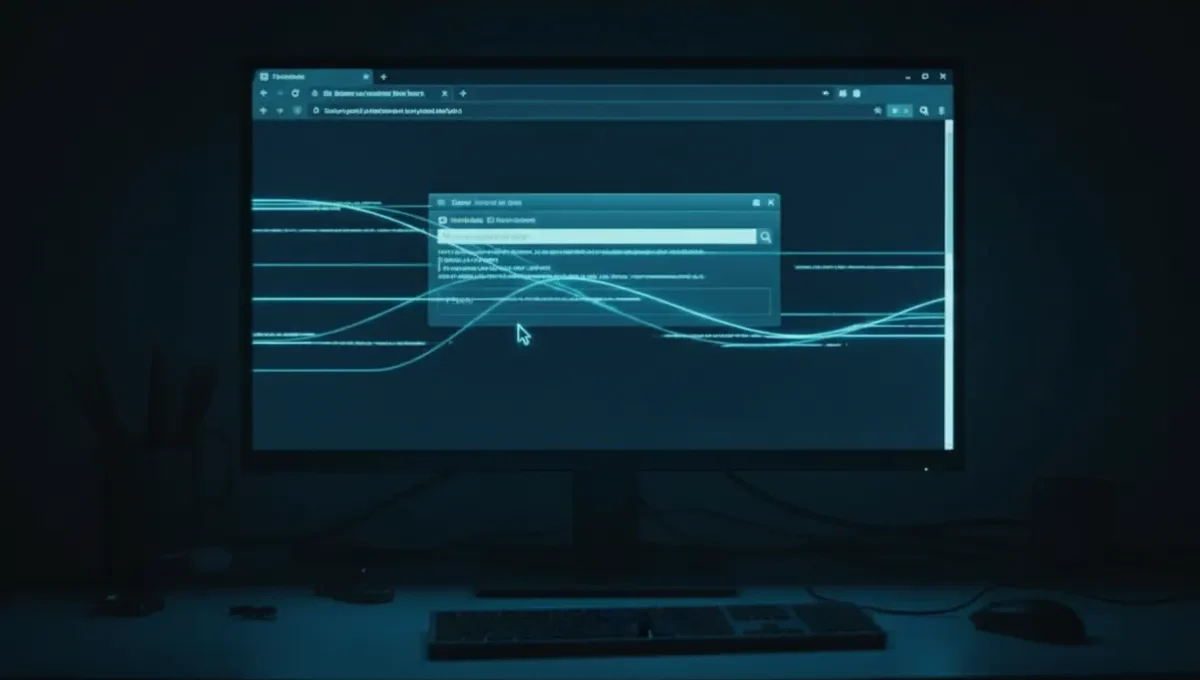
Torch operated as a search index for .onion addresses, the hidden domain suffix used by Tor onion services. Unlike Google or Bing, Torch crawled only the darknet, indexing pages that were deliberately hidden from conventional search engines. The service launched in the mid-2000s and became the default reference point for anyone looking to discover onion sites without already knowing their addresses.
The torch link for Tor browser functioned through a standard web interface accessible via Tor. Users would type keywords, and Torch would return indexed onion addresses matching those terms. This made it possible to find forums, marketplaces, news sites and other services without relying on word-of-mouth or leaked address lists. The search results included site titles, snippets and onion URLs, presented in a format familiar to anyone who had used conventional search engines.
The Role of Torch in the Darknet Ecosystem
Before specialized search tools existed, discovering onion services required knowing someone who could share a link or stumbling across references in forums. Torch changed that by creating a centralized index, which made the darknet more navigable but also more exposed to law enforcement and security researchers.
The torch darknet link became a common starting point for journalists, security researchers, and ordinary users exploring Tor. This visibility had a double effect: it democratized access to hidden services, but it also made Torch itself a target for takedowns and a focal point for phishing attacks. Clones and fake mirrors claiming to be Torch proliferated, exploiting users' trust in the brand name. The search engine's prominence meant that anyone seeking a torch link dark web resource was vulnerable to landing on a fraudulent site designed to steal credentials or inject malware.
Torch's Operational History and Closure
Torch operated continuously for over a decade, becoming synonymous with darknet search. The service indexed thousands of onion sites, from forums and libraries to marketplaces and news outlets. Its longevity in an environment hostile to persistent infrastructure made it notable; most darknet services either shut down voluntarily, were seized by law enforcement, or fell victim to exit scams.
In 2019, Torch went offline. The exact circumstances remain unclear, but the service did not announce a shutdown or hand over its infrastructure to successors. Some reports suggested the operator simply abandoned the project; others speculated about law enforcement pressure. Regardless of the reason, Torch's closure left a gap in darknet search functionality. Users who had relied on a torch link deep web search faced the problem of finding onion services through less centralized means, such as Reddit communities, archived lists, or word-of-mouth recommendations.
Why Torch Matters for Understanding Darknet Security
Torch's history illustrates three critical realities about onion services and the darknet ecosystem. First, centralized search indexes on Tor create attractive targets for law enforcement and become honeypots for phishing attacks; the more visible a service, the more clones and fraudulent mirrors appear. Second, the darknet lacks the infrastructure redundancy of the surface web; when a major service disappears, there is no automatic backup or successor, leaving users stranded. Third, the trust users place in a familiar name (like Torch) makes them vulnerable to social engineering; attackers register similar domains or create lookalike sites knowing that people will click without verifying the address.
These lessons apply to any torch link for Tor browser or other onion service you encounter today. The security principle is simple: a well-known name is also a well-exploited name. Verification matters more than convenience.
Phishing Clones and Verification Challenges
After Torch went offline, multiple fake Torch mirrors appeared, claiming to restore the original service. These clones used similar names, layouts and branding to trick users into thinking they had found the real thing. Some were operated by scammers collecting login credentials; others injected malware or served as exit scams. The torch link darknet ecosystem became a minefield of fraudulent sites.
Verifying whether an onion address is legitimate requires checking PGP-signed announcements from the original operator, consulting archived documentation, or cross-referencing with trusted community sources. For Torch specifically, no official successor was ever announced, which means any site claiming to be the restored Torch is almost certainly fraudulent. Users searching for a torch search engine onion link today should assume that any result they find is either a clone, a phishing attempt, or an unrelated service using a similar name.
Alternatives and Current Darknet Search Landscape
After Torch's closure, other search engines emerged to fill the void, though none achieved the same level of centralization or trust. Some services operated for short periods before shutting down; others remain online but with limited indexing or irregular updates. The fragmentation reflects a broader truth about the darknet: decentralization is a feature, not a bug, because centralized services become targets.
Users seeking to discover onion services today typically rely on community recommendations, archived lists maintained by researchers, or specialized directories that verify addresses before listing them. This approach is slower than using a search engine, but it reduces the risk of landing on phishing clones or malware-serving sites. The trade-off between convenience and security is real; the safer path requires more effort.
How to Stay Safe When Searching the Darknet
If you are looking for specific onion services or exploring the darknet, follow these practices to reduce the risk of phishing and malware:
- Never rely on a single search result or a search engine you cannot verify.
- Check for PGP-signed announcements from the official operator before trusting an onion address.
- Cross-reference any address you find with multiple independent sources.
- Use a dedicated Tor browser instance and keep it updated to the latest version.
- Assume that any well-known service name (like Torch) has multiple fraudulent clones; verify before clicking.
- If an onion site asks for credentials or payment, verify the address in your browser's address bar matches the official address from a trusted source.
- Use a VPN before connecting to Tor if your threat model requires it, though this is not necessary for most users.
The core principle is verification over trust. A torch link dark web search result that looks legitimate may not be; a slower, verified path is always safer.
Moving Forward: Lessons for Darknet Users
Torch's rise and fall teaches a practical lesson about the darknet: centralized services are convenient but fragile, and their names become targets for exploitation. The torch link darkweb ecosystem today is safer not because search engines are better, but because users have learned to be more cautious about verification.
If you are exploring Tor or the darknet for legitimate reasons, research your destination before visiting. Use the Useful Resources page on this site to find verified directories and PGP-signed announcements from official projects. Bookmark addresses directly rather than relying on search results. Keep your Tor browser updated and run it on a device with a current operating system and security patches. These steps require more time than a quick search, but they reduce your exposure to phishing, malware and scams significantly. The darknet is not inherently dangerous; careless navigation is.
Frequently asked questions
Is Torch still online
Torch went offline around 2019 and has not returned. Any site claiming to be Torch today is a clone or phishing attempt. Do not trust it without verifying the address through PGP-signed announcements from an official source.
How do I find a torch link for my tor browser
Do not search for Torch; it is not operational. Instead, use verified directories maintained by security researchers or consult the Useful Resources page of this site. These sources list legitimate onion services with verification details.
What was torch used for on the darknet
Torch was a search engine that indexed .onion addresses, allowing users to discover hidden websites without knowing their URLs. It functioned similarly to Google but only for Tor onion services.
Are torch darknet link clones dangerous
Yes. Fake Torch mirrors are common phishing and malware vectors. They exploit users' familiarity with the original name to steal credentials or inject malicious code. Always verify an onion address before trusting it.
What should I use instead of torch to search the darknet
Rely on community recommendations, archived verified lists, and PGP-signed announcements from official projects. Decentralized discovery is slower but safer than centralized search engines, which become targets for law enforcement and attackers.