What XPlay Is and Why Verification Matters
XPlay appears in darknet discussions as a service or marketplace name, but like many onion services, it has attracted phishing clones and imposter sites. The problem is simple: a .onion address is just a string of characters, and anyone can register a similar-looking address to trick users into logging in or depositing funds. Without a way to verify the real address, you risk handing your credentials or money to a scammer. Legitimate onion services publish their addresses through PGP-signed announcements, official social media channels, or trusted community moderators. If you cannot find a signed statement from the service operator, the address you found is likely not the real one.
How Phishing Clones Exploit Onion Service Names
Phishing clones work by creating .onion addresses that look similar to the real one. For example, if the legitimate XPlay onion URL uses a particular pattern, a clone might swap a single character or use a visually similar letter. Users who do not check the full address carefully will land on the fake site, enter their login details, and lose access to their account or funds. The clone operator then uses those credentials to drain the account or sell the information. This is why the Tor Project documentation emphasizes that onion addresses should always be verified through multiple independent sources. A single bookmark or link from an untrusted forum is not enough.
Where to Find Verified Onion Addresses
The safest way to find the real XPlay onion v3 address is to follow this process:
- Check the official Tor Project directory or the site's own announcement channels if they maintain a clearnet mirror or social media account.
- Look for PGP-signed statements from the service operator on trusted forums or their own platform.
- Cross-reference the address on multiple independent sources; if only one source lists it, treat it with suspicion.
- Verify the v3 onion address format: v3 addresses are 56 characters long and use only lowercase letters and numbers, ending in .onion.
- Use the Tor browser's built-in security features to check the site certificate and connection status.
If you cannot find a verified address through these steps, the service may be offline, rebranded, or may never have existed as a legitimate operation.
Understanding Onion Address Formats and V3 Addresses
Onion addresses come in two formats: v2 (16 characters) and v3 (56 characters). The Tor Project deprecated v2 addresses in 2021 because they were vulnerable to certain attacks. Any legitimate service still operating should use a v3 onion address. If someone is promoting an XPlay tor link using a v2 address, that service is either very old or the address is not authentic. V3 addresses are harder to forge and provide better security for both the operator and the user. When you see a v3 onion address, you can be more confident that the service has invested in proper security infrastructure, though this alone does not guarantee legitimacy.
Reality Check: How Onion Services Actually Operate
According to Tor Project documentation on onion service security, the most common way users get compromised is through phishing, not through technical vulnerabilities in Tor itself. This matters because it means your safety depends on your own verification habits, not on trusting the Tor network to protect you. Court records and law-enforcement press releases show that many darknet services that appeared legitimate were actually exit scams or honeypots designed to collect user data. Academic research on onion services has found that a significant portion of .onion addresses are either inactive, duplicates, or intentionally deceptive. The lesson: assume any address you find is unverified until you have independently confirmed it through multiple trusted sources.
Steps to Verify an Onion Address Before Logging In
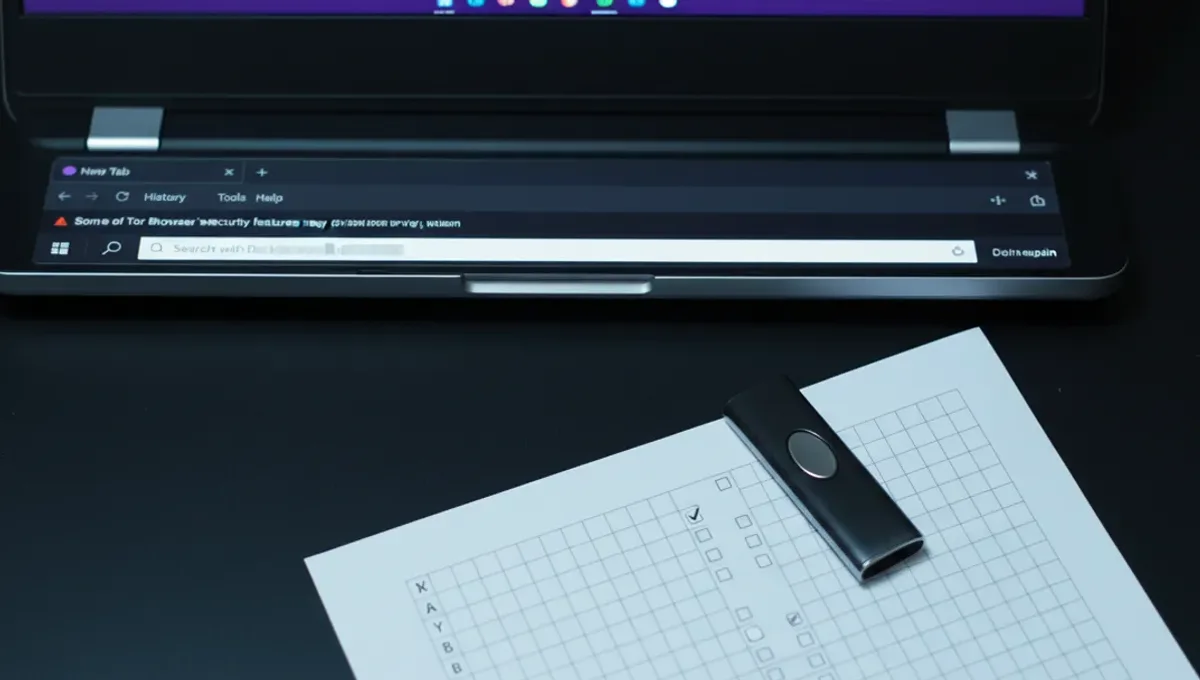
Before you enter any credentials or funds into an XPlay tor url or similar service, follow this checklist:
- Write down the full .onion address exactly as it appears in the browser address bar.
- Search for that exact address on trusted forums, Reddit communities, or the site's own announcement channels.
- Look for PGP signatures or cryptographic proof that the address came from the service operator.
- Compare the address to any bookmarks or records you saved previously; if it differs, do not proceed.
- Check whether the site has a clearnet mirror or official social media account where they announce address changes.
- If the site claims to have moved to a new address, verify that announcement through multiple channels before switching.
If any of these steps fail or raise doubts, close the browser tab and wait for clearer confirmation.
Common Mistakes That Lead to Phishing Losses
Users lose access to accounts and funds when they skip verification steps. The most common mistakes are: clicking a link from a forum post without checking the address, assuming a site is legitimate because it looks polished, trusting a single source for the address, and logging in immediately without checking for HTTPS or other security indicators. Another frequent error is confusing similar-sounding service names; for example, searching for XPlay and accidentally landing on a clone of a different service entirely. Some users also fall for social engineering: a scammer poses as a moderator or operator and directs them to a fake address. The pattern is always the same: a moment of carelessness costs real money or access. Verification takes less than five minutes and prevents these losses entirely.
What to Do If You Suspect You Have Found a Phishing Clone
If you land on an XPlay onion site that looks suspicious or does not match what you expected, do not log in. Instead, close the tab immediately and report the address to the community. Many Tor forums and subreddits have dedicated threads for reporting phishing clones and fake addresses. Include the full .onion address, a screenshot of the site, and any details about where you found the link. This helps other users avoid the same trap. If you have already entered credentials on a suspicious site, change your password immediately on any legitimate account you have with that service, and monitor your account for unauthorized activity. Do not assume the clone operator has access to your funds; many phishing sites are designed only to harvest credentials for resale or account takeover.
Frequently asked questions
How do I know if an XPlay onion address is real
Look for PGP-signed announcements from the service operator on trusted forums or their official channels. Cross-reference the address on multiple independent sources. Verify the v3 format (56 characters, lowercase letters and numbers only). If you cannot find the address through official channels, it is likely not legitimate.
What is the difference between XPlay onion v3 and v2 addresses
V3 addresses are 56 characters long and use modern cryptography; v2 addresses are 16 characters and were deprecated by the Tor Project in 2021. Any service still using a v2 address is either very old or not authentic. Always prefer v3 addresses for current services.
Can I get phished on a real onion address
Yes. A real onion address can be compromised by the operator themselves, or you can be redirected to a phishing clone through a malicious link. Always verify the address in your browser bar matches what you expected, and never click links from untrusted sources.
What should I do if I entered my password on a suspicious XPlay site
Change your password immediately on any legitimate account associated with that service. Monitor your account for unauthorized activity. Report the suspicious address to the community so others can avoid it. Do not assume the clone operator has access to your funds unless you also sent money.
Where can I report a phishing clone or fake onion address
Report it to the community on trusted Tor forums, subreddits dedicated to darknet discussion, or directly to the service operator if they have an official contact channel. Include the full .onion address and details about where you found it.