What Tor Directory Links Are and Why They Matter
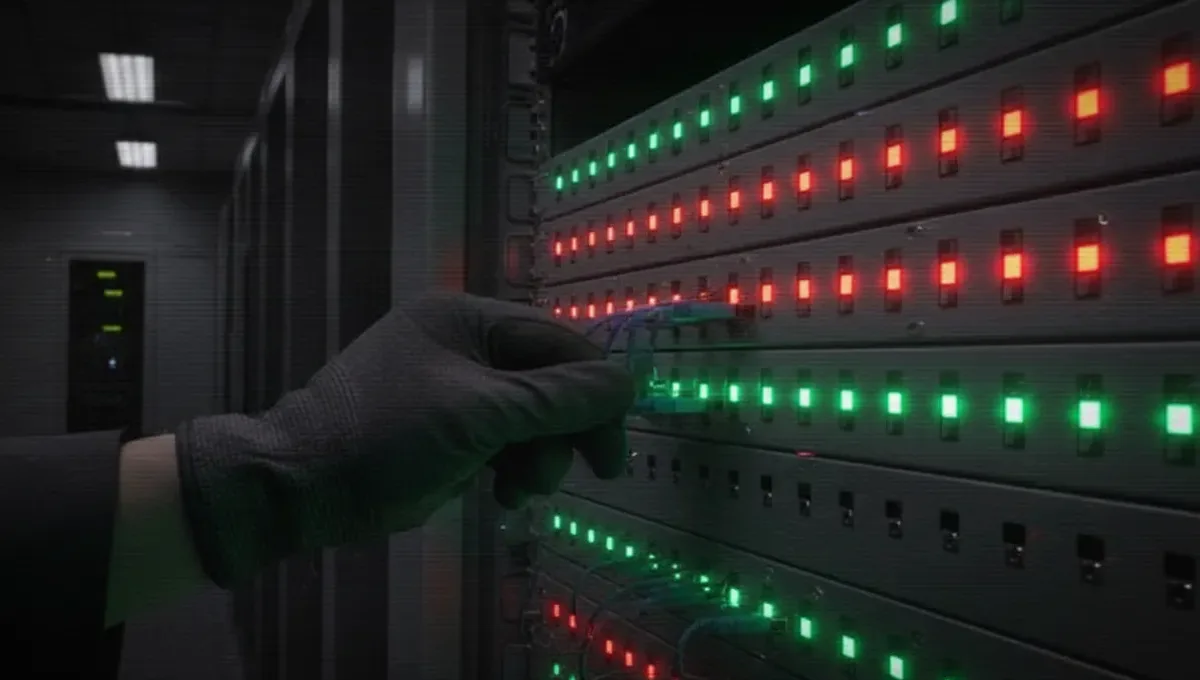
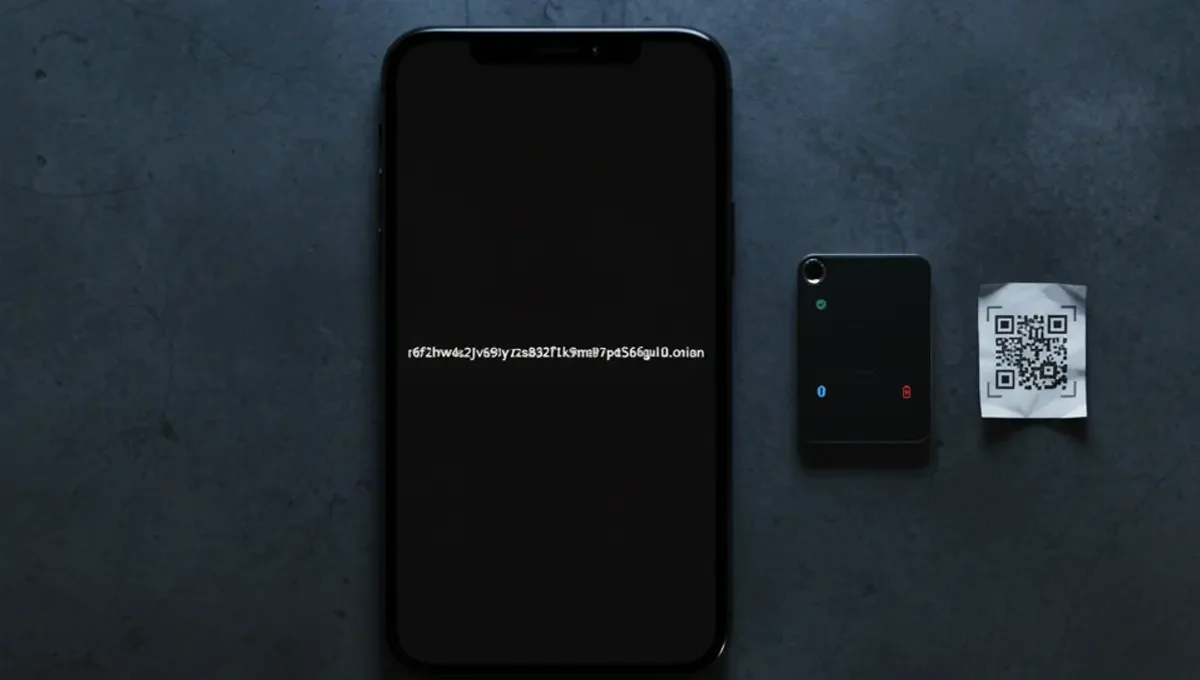
A tor directory link is a .onion address that points to a hidden service accessible only through the Tor browser. These addresses are cryptographic hashes derived from the service's public key, making them long and difficult to remember. Unlike the surface web, there is no centralized search engine for onion services, so directories and link aggregators emerged to help users discover and verify legitimate services.
Tor directory links serve a specific purpose: they reduce the friction of finding services without compromising anonymity. A well-maintained directory does not track who visits it and does not require registration. The challenge is that directories themselves can be compromised, abandoned, or replaced by phishing clones that look identical but steal credentials or distribute malware. This is why verification matters more than convenience.
V3 Addresses and Why Older Tor Links Are Riskier
Tor introduced v3 onion addresses in 2017 as a security upgrade. V3 addresses are 56 characters long, while the older v2 format was only 16 characters. The longer format makes v3 addresses resistant to brute-force attacks and provides stronger cryptographic guarantees about the service's identity.
If you encounter tor links 2023 or earlier references that still point to v2 addresses, treat them with caution. V2 support was deprecated and removed from the Tor network, so any v2 link you find is either outdated or a redirect to a phishing clone. Working tor links today use v3 exclusively. When evaluating a tor directory, check whether it lists only v3 addresses and whether it includes the date each address was last verified. Services that migrated from v2 to v3 should have published signed announcements on their official channels, not just on the directory itself.
How Tor Directory Links Are Maintained and Updated
A reliable tor directory requires active curation. Maintainers must regularly test each link to confirm the service is still online, check for signs of compromise, and remove dead addresses. This is labor-intensive and often done by volunteers or small teams with no funding.
Many directories publish their data in plain text or as a downloadable list, allowing users to verify the list's integrity using PGP signatures. If a directory claims to be official but provides no PGP signature or no way to verify its authenticity, assume it is a clone. The Tor Project itself does not maintain a single master directory; instead, it publishes security advisories and documentation about onion services. Independent directories fill the gap, but their reliability depends entirely on the operator's diligence and transparency about their update schedule.
Reality Check: How Phishing Clones Exploit Directory Trust
Phishing clones are one of the most common threats in the tor ecosystem. An attacker registers a similar .onion address, copies the legitimate site's design, and waits for users to mistype or click a malicious link from a compromised directory. Because onion addresses are random hashes, there is no way to guess the correct address; users must rely on directories or bookmarks.
According to Tor Project documentation and security-vendor incident reports, phishing attacks succeed because users assume any link in a directory is verified. In reality, most directories are not actively monitored by law enforcement or security firms. A directory can be compromised for weeks before anyone notices. The lesson: never assume a directory link is safe just because it appears in a list. Always verify the address against multiple independent sources, check for PGP-signed announcements from the service itself, and bookmark addresses you trust rather than relying on directories for repeat visits.
How to Verify a Tor Directory Link Before Using It
Verification requires cross-referencing and skepticism. Here is a practical approach:
- Find the service's official website or social media account outside tor (if it exists). Look for a link to the onion address.
- Check whether the service publishes PGP-signed announcements. Download the service's public key from multiple sources and verify the signature on any address announcement.
- Compare the address across at least two independent directories. If they differ, the address is either outdated or one directory is compromised.
- Visit the address in Tor browser and check the security indicator. Tor browser shows a green onion icon if the connection is secure and the certificate is valid.
- Look for a security notice or banner on the site itself. Legitimate services often post warnings about phishing clones and list the correct onion address prominently.
This process takes five to ten minutes but prevents credential theft and malware infection. Do not skip it for services that handle sensitive data.
Why Tor Links 2.2 and Legacy References Persist
Older documentation and archived pages still reference tor links 2.2, an outdated version numbering scheme. These references are not necessarily wrong; they are simply historical. A link labeled as tor links 2.2 might still be valid if it points to a v3 address, but the version number itself is meaningless to modern Tor users.
The persistence of legacy references creates confusion. Someone searching for tor links v3 might land on a page that discusses v2 addresses or uses outdated terminology. This is why reading the actual address format matters more than the label. If a directory or guide does not explain the difference between v2 and v3, or if it mixes old and new addresses without clear dates, move on to a more current source. The tor ecosystem changes, and directories that do not update their language and links are likely not updating their verification process either.
Building Your Own Trusted Tor Directory
The most reliable tor directory is one you maintain yourself. This means bookmarking addresses you have verified, storing them in a password manager or a local encrypted file, and updating them only when you receive signed announcements from the services themselves.
If you use multiple tor services regularly, create a simple list with the address, the date you verified it, and a note about where you found the verification. When you need to revisit a service, check your list first. If the address is older than six months, re-verify it using the steps above before connecting. This approach eliminates reliance on third-party directories and reduces your exposure to phishing. For services you use infrequently, rely on directories only after cross-checking the address against the service's official channels. The goal is to make phishing harder by reducing the number of times you trust a directory without independent verification.
Next Steps: Secure Your Tor Directory Habits Today
Tor directory links are useful tools, but they are only as trustworthy as the people maintaining them and the users verifying them. Start by identifying one or two services you use regularly and verify their current v3 addresses using the method described above. Bookmark those addresses in your Tor browser and do not rely on directories for repeat visits.
When you encounter a new tor service, treat the directory link as a starting point, not a confirmation. Spend the extra time to cross-check the address, look for PGP signatures, and confirm the site's design matches what you expect. This habit protects you from credential theft, malware, and scams. The tor network itself is secure, but the human layer of verification is where most users fail. Make verification your default behavior, not an exception.
Frequently asked questions
Are tor directory links safe to click
Tor directory links are only as safe as the directory maintaining them. A compromised or poorly maintained directory can host phishing clones. Always verify the address against multiple independent sources and check for PGP-signed announcements before entering credentials or sensitive data. Tor browser itself is safe, but the address you visit determines whether you reach the legitimate service or a scam.
What is the difference between v2 and v3 tor links
V2 addresses are 16 characters and were deprecated in 2020. V3 addresses are 56 characters and use stronger cryptography. Any v2 link you find today is either outdated or a phishing clone. All working tor links now use v3 format exclusively. If a directory still lists v2 addresses, it is not being actively maintained.
How do I know if a tor directory link is a phishing clone
Compare the address across multiple independent directories. Check the service's official website or PGP-signed announcements for the correct address. Look for subtle differences in the onion address itself, such as a single character swap. Phishing clones often look identical to the legitimate site, so focus on verifying the address, not the design. If you are unsure, do not log in or enter data.
Can I trust tor directory links from search results
No. Search results are not curated for accuracy and often include outdated or compromised directories. Use directories that are actively maintained by the tor community, publish PGP signatures, and clearly state when each address was last verified. Cross-check any address you find against at least one other independent source before using it.
What should I do if a tor directory link is dead
A dead link means the service is offline, the address has changed, or the directory is outdated. Do not assume the service is gone. Check the service's official website or social media for a new address or status update. If you cannot find current information, wait a few days and try again. Some services go offline temporarily for maintenance.