What Tor V3 Links Are
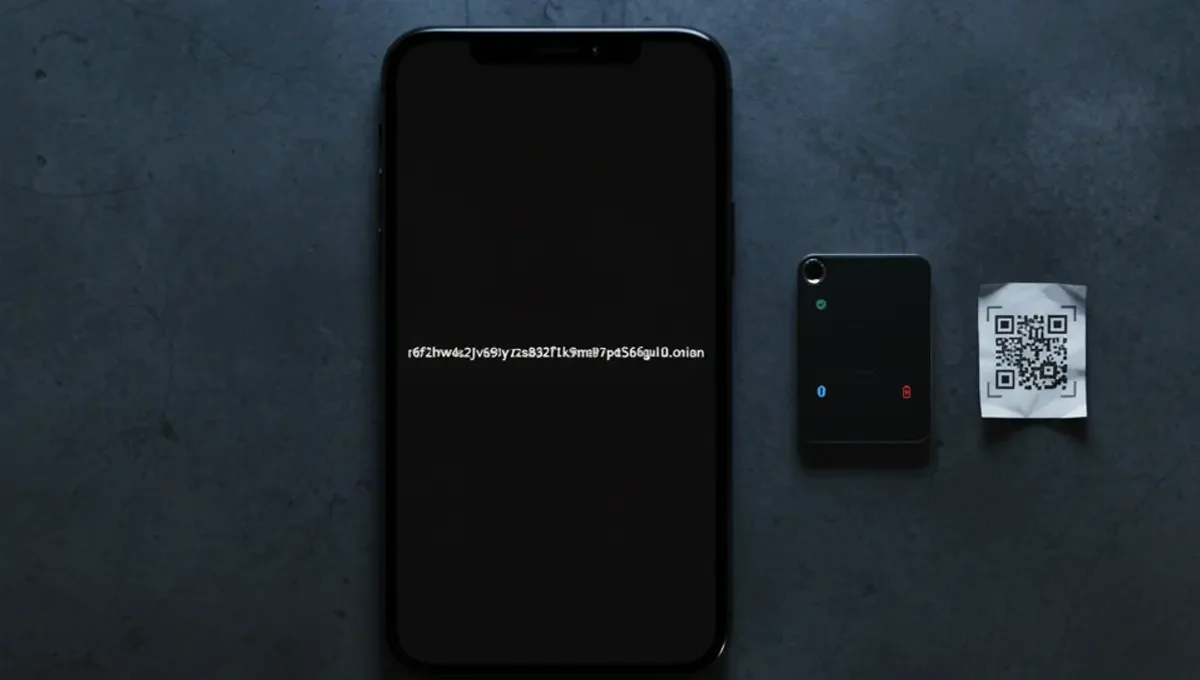
A Tor v3 link, also called a v3 onion address, is a 56-character alphanumeric string that routes traffic through the Tor network to a hidden service. The format looks like this: a long string of letters and numbers followed by .onion. V3 addresses replaced v2 addresses, which were only 16 characters and had known cryptographic weaknesses.
The Tor Project introduced v3 addresses to strengthen security against various attacks, including those that could theoretically derive a service's private key from its public address. V3 links also support larger key sizes and better resistance to enumeration attacks, where someone tries to guess valid onion addresses by brute force. Every v3 address is mathematically derived from the service operator's private key, making it impossible to forge without that key.
V2 to V3 Migration and Timeline
Tor v2 addresses operated from the early days of onion services until the Tor Project announced their deprecation in 2020. The official shutdown occurred in July 2021, meaning the Tor network no longer supports new v2 addresses or connections to existing ones. This was a significant infrastructure change because many long-established darknet forums, marketplaces and news sites had to migrate their addresses or become unreachable.
The migration created a window of confusion and opportunity for scammers. Some users bookmarked old v2 links and, finding them dead, searched for the service by name and landed on phishing clones running on v3 addresses. Others saw the migration as a chance to launch fake versions of popular sites under new v3 addresses. Understanding this history helps you recognize why address verification is now more critical than ever.
How V3 Onion Links Work Technically
A v3 onion address is generated using elliptic-curve cryptography (specifically Ed25519). The service operator creates a private key, and the v3 address is derived from the public key through a series of hashing operations. This means the address is deterministic: the same private key always produces the same v3 link.
When you connect to a v3 address through Tor, your client performs a cryptographic handshake with the service to verify that the operator holds the corresponding private key. This prevents someone from simply stealing an address and running a fake service under it. The longer address length and stronger cryptography make v3 links far more resistant to the attacks that plagued v2 services, including those that could theoretically compromise the service's anonymity.
Verifying Authentic V3 Addresses
Verifying a v3 onion link before you use it is the single most effective way to avoid phishing clones. Here are the steps to follow:
- Find the official announcement or PGP-signed statement from the service operator
- Check the Useful Resources page of this site for verified address lists
- Compare the v3 address character-by-character with the official source
- Look for PGP signatures on the announcement, signed by the operator's known key
- Contact the service operator through a secondary channel if you are unsure
Many legitimate darknet forums and news sites publish their v3 addresses on their own websites, in PGP-signed statements, or through trusted intermediaries. Never rely on search results or third-party mirrors to find the correct address. Phishing clones often use addresses that differ by only one or two characters, so careful comparison is essential.
Common Mistakes and Phishing Risks
The most common mistake is trusting a v3 address found through a search engine or social media. Phishing operators register new v3 addresses that look similar to legitimate ones and host fake versions of popular sites. Users who are unfamiliar with the address or who have forgotten the exact characters are vulnerable to these clones.
Another mistake is assuming that a v3 address is inherently safer than v2 simply because it is newer. V3 addresses have stronger cryptography, but they can still point to a malicious site if the operator is compromised or if you are directed to the wrong address. The technology does not protect you from social engineering or poor operational security on the part of the service. Always verify the address through multiple independent sources before entering credentials or sending funds.
Why V3 Links Matter for Your Security
V3 addresses matter because they are the foundation of trust on the Tor network. A stronger address format means that phishing and impersonation attacks require more effort and sophistication. The cryptographic improvements in v3 also reduce the risk that a service's anonymity could be compromised through attacks on the address itself.
For ordinary users, the practical benefit is that v3 links are harder to clone convincingly. If you verify an address carefully, you can be reasonably confident that you are connecting to the intended service and not a fake. This is especially important for sensitive activities like accessing news sites, forums or services where financial transactions occur. The shift to v3 was a necessary security upgrade, and understanding how to verify these addresses is a core skill for anyone using Tor.
Reality Check: What Actually Protects You
According to Tor Project documentation, v3 addresses are resistant to enumeration attacks and provide stronger cryptographic guarantees than v2, but they do not prevent a service operator from being compromised or from running a malicious site. This matters because it means v3 technology alone does not guarantee that a site is legitimate or safe.
Public law-enforcement press releases and court records show that phishing and impersonation of darknet services remain common tactics, even after the v3 migration. Scammers continue to register new v3 addresses and clone popular sites, relying on user confusion and inattention. Security-vendor incident reports document cases where users lost funds or credentials to convincing phishing clones despite the stronger address format. The lesson is that v3 links are a necessary but not sufficient safeguard. Your own verification practices, careful bookmarking, and skepticism about unsolicited links are what actually protect you.
Next Steps for Safe Onion Navigation
The core takeaway is this: v3 links are the current standard, and they are cryptographically stronger than their predecessors, but strength in the address format does not eliminate the need for human judgment. Phishing clones will continue to exist as long as people use the Tor network, and the burden of verification falls on you.
Start today by bookmarking the official v3 addresses of sites you trust, obtained directly from PGP-signed announcements or trusted sources. When you encounter a new v3 address, do not assume it is legitimate simply because it looks professional or because you found it through a search. Take five minutes to cross-reference it with the Useful Resources page or with the service operator's official channels. This habit will protect you far more effectively than any single technology.
Frequently asked questions
what is the difference between tor v2 and v3 links
V2 addresses were 16 characters and used weaker cryptography; v3 addresses are 56 characters and use Ed25519 elliptic-curve cryptography. V2 addresses were deprecated and shut down in July 2021. V3 addresses are resistant to enumeration attacks and provide stronger guarantees that you are connecting to the intended service.
how do I know if a tor v3 link is real
Find the official v3 address from a PGP-signed announcement by the service operator, or check the Useful Resources page of this site. Compare the address character-by-character with the official source. Never rely on search results or mirrors. If you are unsure, contact the operator through a secondary channel before using the address.
can tor v3 links be cloned or faked
A v3 address itself cannot be forged without the operator's private key, but scammers can register new v3 addresses and clone the content of legitimate sites. Phishing clones often use addresses that differ by only one or two characters. This is why careful verification and bookmarking are essential.
why did tor shut down v2 links
The Tor Project deprecated v2 addresses because they had known cryptographic weaknesses and were vulnerable to certain attacks. V3 addresses provide stronger security and better resistance to enumeration and impersonation. The shutdown in 2021 was a necessary infrastructure upgrade.
are tor v3 links completely anonymous
V3 addresses provide strong cryptographic guarantees that you are connecting to the intended service, but they do not guarantee anonymity on their own. Your anonymity depends on how you use Tor, your operational security, and whether the service operator or the Tor network itself is compromised. V3 is one layer of security, not a complete solution.